Opodo is now available in the following countries:

Affordable flights to Multan
Flights
Car rental
Date
Date
1
Explore the best deals
Discover the cheapest flights to Multan
Filter by
Wed, 13 Jan - Sat, 16 Jan

AirArabia JordanDirect
Karachi - Multan
AirArabia JordanDirect
Multan - Karachi
526AED
487AED
Mon, 21 Dec - Fri, 25 Dec
AirArabia JordanDirect
Karachi - Multan
AirArabia JordanDirect
Multan - Karachi
556AED
517AED
Sat, 14 Nov - Fri, 20 Nov
AirArabia JordanDirect
Islamabad - Multan
AirArabia JordanDirect
Multan - Islamabad
1068AED
1004AED
Mon, 7 Dec - Mon, 14 Dec
AirArabia JordanDirect
Islamabad - Multan
AirArabia JordanDirect
Multan - Islamabad
1217AED
1144AED
Wed, 25 Nov - Sun, 6 Dec

FlydubaiDirect
Dubai - Multan
FlydubaiDirect
Multan - Dubai
1388AED
1318AED
Thu, 7 Jan - Sun, 10 Jan
FlydubaiDirect
Dubai - Multan
FlydubaiDirect
Multan - Dubai
1589AED
1509AED
Sat, 21 Nov
AirArabia JordanDirect
Karachi - Multan
-20 % Prime price per passenger
279AED
224AED
Tue, 19 Jan
AirArabia JordanDirect
Karachi - Multan
-19 % Prime price per passenger
282AED
227AED
Thu, 26 Nov

SalamAirDirect
Sharjah - Multan
494AED
462AED
Wed, 9 Dec

Air ArabiaDirect
Sharjah - Multan
593AED
555AED
Sat, 9 Jan
Air ArabiaDirect
Sharjah - Multan
596AED
559AED
Mon, 28 Dec
Air ArabiaDirect
Sharjah - Multan
-12 % Prime price per passenger
680AED
600AED
The prices shown on this page were available within the last 20 days for the specified periods and should not be considered the final price offered. Please note that availability and prices are subject to change.
Popular flight routes to Multan

Flights from Sharjahto MultanPrime price per passenger
494AED
462AED

Flights from Dubaito Multan
-12 % Prime price per passenger
718AED
634AED

Flights from Abu Dhabito MultanPrime price per passenger
694AED
651AED
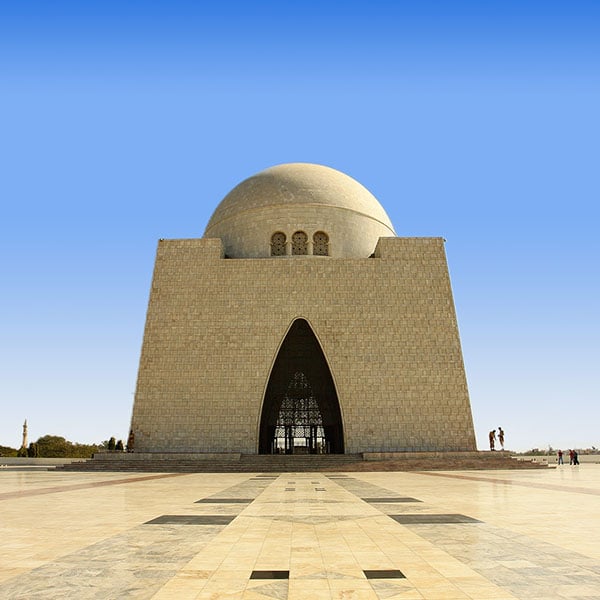
Flights from Karachito Multan
-23 % Prime price per passenger
289AED
222AED
How long is the flight to Multan?
If you are planning to fly to Multan, we at Opodo have reviewed the most popular routes to support your travel planning. From Sharjah, the flight duration is approximately 2h 46m; from Dubai, around 3h; and from Abu Dhabi, close to 3h 1m.Flight Time (in hours)
SharjahDubaiAbu Dhabi
How much does a flight to Multan cost?
At Opodo you can find flights from Sharjah to Multan starting from AED 406, with an average price of AED 626. If you depart from other cities such as Abu Dhabi, you can find tickets from AED 419, and from Dubai starting from AED 615, according to data from the last 72 hours.Filter by
SharjahAbu DhabiDubai
SharjahCheapest
Cheapest Price: AED 406CheapestAverage
FAQ's about Multan
How can I find cheap flights to Multan at Opodo?
At Opodo you can find flights from AED224 to Multan. Our offers are the result of a combination of different technologies, machine learning algorithms and real searches form our customers in our platform, so you can get the options that better suits your needs when flying to Multan.
When's the best time to go to Multan?
We checked our customers' flight searches, and the winner of best time to fly to Multan is... March.
The next best month to travel to Multan is February.
And let's not forget April, the third top choice for when to go to Multan.
However if you prefer things on the less busy side, we can also tell you (quietly) that the least popular month for flights to Multan is November.
What are the cheapest airlines flying to Multan?
Looking at the prices of our customers' bookings from the UAE to Multan, your best bet for cheap flights is:
- SalamAir: average one-way price of AED1,740.57 , with Sharjah to Multan an average of AED1,746.79 and Dubai from AED1,632.50.
- Air Arabia (one-way average: AED2,192.95) : this includes an average price from Sharjah to Multan of AED2,210.03 and also flights from Abu Dhabi costing AED4,257.49.
- Flydubai: average cost for one-way was AED2,251.66 , with Dubai to Multan flights costing an average of AED2,265.92 and the price tag from Abu Dhabi being AED4,291.56.
Which airlines fly to Multan from the UAE?
Indirect flights from the Australia to Multan include:
- SalamAir, which flies from Sharjah and Jeddah and also from Riyadh.
- Emirates, with flights from Dubai and Jeddah to Multan plus Riyadh.
- Saudi Arabian Airlines, which has flights from Sharjah and Abu Dhabi as well as from Dubai to Multan.
How many airports are in Multan and which is the main one?
Multan has 1 airports.
Multan International Airport operates domestic and international flights to 4 cities.
Some of the most popular destinations are Abu Dhabi, Dubai and Sharjah.
Plan your trip
Popular CitiesPopular Flight Routes
- Flights to Sharjah
- Flights to Medinah
- Flights to Jeddah
- Flights to Abu Dhabi
- Flights to Dubai
- Flights to Karachi
- Flights to Bahrain
- Flights to Dammam
- Flights to London
- Flights to Baku
- Flights to Kuala Lumpur
- Flights to Istanbul
- Flights to Denpasar-Bali
- Flights to Islamabad
- Flights to Taif
- Flights to Amsterdam
- Flights to Dera Ghazi Khan
- Flights to Bahawalpur
- Flights to Sahiwal
- Flights to Bahawalnagar
- Flights to Dera Ismail Khan
- Flights to Faisalabad
- Flights to Zhob
- Flights to Rahim Yar Khan